Hoe Word Je Forensisch Onderzoeker
Ever binged a true-crime documentary and thought, "Wow, that's fascinating! I could totally do that"? You're not alone! The world of forensic science, often popularized by sho...
Ever binged a true-crime documentary and thought, "Wow, that's fascinating! I could totally do that"? You're not alone! The world of forensic science, often popularized by shows like CSI (remember the days of Nick Stokes in a bleach-filled crime scene?), might seem like a high-octane adventure. But behind the dramatic reenactments and the magically appearing DNA evidence, there's a real, often unsung, profession that requires sharp minds, meticulous attention to detail, and a healthy dose of curiosity. So, if you've ever wondered, "Hoe word je forensisch onderzoeker?" – grab your metaphorical magnifying glass, because we're about to spill the (evidence) tea!
Let’s be clear: becoming a forensic investigator isn’t about instantly developing superpowers or having a personal DeLorean to revisit crime scenes. It's a career built on science, logic, and a deep understanding of how the world around us works. Think less "superhero solving a murder before coffee" and more "brilliant detective piecing together a puzzle, one microscopic fiber at a time."
The Spark: What Fuels a Forensic Mind?
What is it that draws people to this field? It's often a blend of innate curiosity and a desire to contribute to justice. Do you find yourself taking things apart just to see how they work? Are you the friend who always notices the little things others miss? If so, you might have the foundational traits of a forensic investigator.
Must Read
It’s about asking “why?” and “how?” relentlessly. It’s about understanding that even the most mundane object can tell a story. A scuff mark on a shoe, a stray hair, a chemical residue – they all hold clues. It’s a bit like being a detective in real life, but with a much bigger toolkit and a stronger reliance on empirical evidence.
Cultural influence definitely plays a role. Shows like "Dexter" (though highly dramatized and ethically questionable in its premise!) or "Forensic Files" have undeniably piqued public interest. They offer a glimpse into the meticulous work, the scientific rigor, and the intellectual challenge. While these portrayals aren't always accurate, they plant the seed of possibility.
The Foundation: Education is Key
So, where do you begin this exciting journey? With education, of course! This isn't a career you stumble into. It requires a solid academic background, typically starting with a bachelor's degree. The most common pathways include:
Science Degrees: The Usual Suspects
- Forensic Science: This is the most direct route, offering specialized courses in areas like forensic chemistry, biology, toxicology, and even digital forensics. Many universities now offer dedicated forensic science programs.
- Chemistry: A strong foundation in chemistry is crucial for analyzing substances, trace evidence, and even biological samples. Think about identifying unknown powders or understanding how certain chemicals react.
- Biology: For those drawn to DNA analysis, blood spatter patterns, or the study of insects (entomology – fascinating stuff!), a biology degree is invaluable.
- Criminal Justice with a Science Focus: Some programs combine legal principles with scientific methodologies, providing a broader understanding of the justice system.
Don't underestimate the power of a good GPA here. Admissions to specialized forensic programs and later, to graduate studies or internships, can be competitive. So, hitting the books is a non-negotiable part of the plan.
Beyond the Bachelor's: The Advanced Path
For many specialized roles within forensic science, a master's degree or even a Ph.D. is highly recommended, if not required. This allows for deeper dives into specific disciplines, such as:
- Forensic Anthropology: For identifying human remains, often in cases of skeletal decomposition or mass disasters.
- Forensic Pathology: While forensic pathologists are typically medical doctors (MDs) who specialize in determining the cause and manner of death, a background in a related science can be a stepping stone.
- Digital Forensics: In our increasingly digital world, this field is booming. It involves recovering data from computers, mobile phones, and other digital devices to uncover evidence.
- Forensic Psychology: Understanding the criminal mind and behavior.
Think of it this way: a bachelor's degree gets you in the door, but advanced degrees open up specialized rooms filled with even more intricate puzzles.
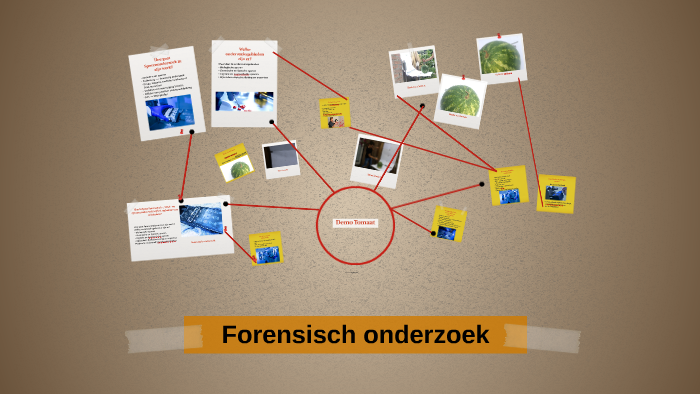 Hoe helpen Forensisch- , DNA- en sporenonderzoek bij het opl by Isa van
The Practical Side: Gaining Experience
Degrees are essential, but real-world experience is where the rubber meets the road – or rather, where the fingerprint meets the powder.
Internships: Your First Gig in the Field
Securing internships is absolutely vital. This is your chance to:
- See the work firsthand: Witnessing the day-to-day operations, from crime scene processing to lab analysis.
- Develop practical skills: Learning how to properly collect and preserve evidence, operate lab equipment, and document findings.
- Network: Meet professionals in the field who can offer advice, mentorship, and potentially future job leads.
Many law enforcement agencies, forensic labs, and even private investigative firms offer internship programs. Start researching these opportunities early in your academic career.
Volunteering: Making a Difference (and a Resume)
Don't overlook volunteer opportunities. Assisting at a local crime lab, helping with community outreach programs related to forensic science, or even contributing to research projects can provide valuable experience and demonstrate your commitment.
Specialized Training: Honing Your Craft
The field of forensics is constantly evolving. To stay at the top of your game, continuous learning is a must. Look for:
- Professional development courses: Offered by various organizations and institutions.
- Workshops and seminars: Focused on specific techniques or emerging technologies.
- Certifications: Demonstrating proficiency in particular areas, like DNA analysis or digital forensics.
Think of it like a musician practicing their scales. These specialized trainings are your scales, ensuring your fundamental skills are always sharp.
The Nitty-Gritty: What Do They Actually Do?
Okay, so you've got the education and the experience. What does a forensic investigator’s day look like? It’s rarely a constant flurry of dramatic discoveries. More often, it's a meticulous process:
 Forensisch onderzoek by Jasmijn Tomasoa
At the Crime Scene: The First Responders (of a Sort)
Forensic investigators might be called to a crime scene to:
- Document the scene: Taking photographs, sketching layouts, and making detailed notes of everything present. This is crucial for later analysis and for court presentations.
- Collect evidence: This is where the fun, or rather the precision, comes in. They meticulously collect anything that might be relevant: fingerprints, DNA samples (hair, saliva, blood), fibers, ballistics, tool marks, footwear impressions, etc.
- Maintain the chain of custody: This is a critical legal concept. Every piece of evidence must be tracked from the moment it's collected until it's presented in court. Any break in this chain can render the evidence inadmissible. It's like playing a high-stakes game of "telephone" with physical objects.
It’s not about dusting for prints with a feather boa; it’s about using specialized powders, lifting techniques, and sterile containers to ensure the integrity of the evidence.
In the Lab: The Science Unfolds
Once evidence is collected, it heads to the lab for analysis. This is where the scientific magic truly happens:
- DNA analysis: The poster child of forensic science. Identifying individuals from tiny biological samples.
- Ballistics: Examining firearms and ammunition to determine if they were used in a crime.
- Toxicology: Detecting the presence of drugs, poisons, or alcohol in bodily fluids. Think of it as the "whodunnit" of chemical substances.
- Trace evidence analysis: This is a broad category that includes fibers, paint chips, glass fragments, soil, and anything else that can be transferred between a suspect and a crime scene. A single fiber could link a suspect to a victim, much like Dorothy’s ruby slippers leading her home.
- Digital forensics: Recovering deleted files, analyzing internet activity, and reconstructing digital timelines.
The lab is a place of intense focus, where instruments hum and microscopes reveal hidden worlds. It requires patience, precision, and a deep understanding of scientific principles.
The Personality of a Forensic Investigator: More Than Just a Lab Coat
Beyond the technical skills, what kind of person thrives in this demanding field?
1. The Detail-Oriented Detective
You’ve got to be able to spot the difference between a speck of dust and a crucial piece of evidence. It’s about seeing what others overlook.
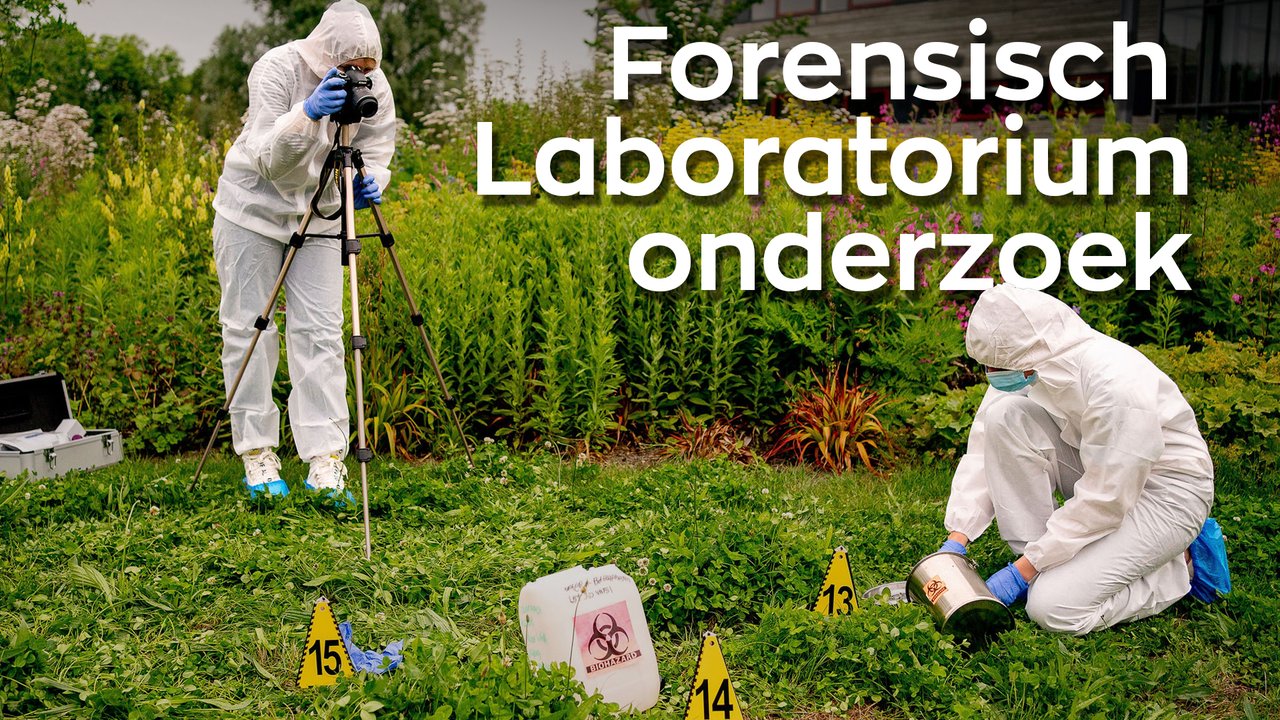 Forensisch Laboratoriumonderzoek | hbo bachelor opleiding
2. The Patient Problem-Solver
Forensic work can be tedious. Analyzing hours of surveillance footage or meticulously cleaning a single fiber takes immense patience. You’re building a case, piece by tiny piece.
3. The Objective Observer
Emotions have no place at the crime scene or in the lab. Evidence must be analyzed objectively, without bias or preconceived notions. Your job is to report the facts, no matter how uncomfortable they might be.
4. The Logical Thinker
You need to be able to connect the dots, form hypotheses, and test them rigorously. It’s a constant exercise in logical deduction.
5. The Strong Communicator
Your findings aren't useful if you can't explain them clearly, both in written reports and in court. You might have to testify as an expert witness, breaking down complex scientific concepts for a jury. This requires confidence and clarity.
6. The Resilient Individual
The cases you work on can be disturbing. You'll encounter the darker side of humanity. Developing resilience and effective coping mechanisms is crucial for long-term well-being.
Fun Facts and Cultural Nuggets
Did you know that the term "forensic" comes from the Latin word forensis, meaning "public" or "in front of the public"? This refers to the Roman forums where legal proceedings and debates took place. So, forensic science has always been about bringing truth to light!
And the famous fingerprint? It wasn't until the early 20th century that fingerprinting became a widely accepted forensic tool, thanks to pioneers like Sir Francis Galton. Before that, identifying criminals was a much more… subjective affair.
 Forensisch Onderzoek by school account on Prezi
Think about the sheer variety! From analyzing ancient artifacts for historical crimes (yes, that’s a thing!) to the cutting-edge world of DNA fingerprinting, forensic science is a vast and ever-expanding universe.
The Road Ahead: Specializations and Career Paths
Once you're in, the doors to specialization open wide. You could become a:
- Crime Scene Investigator (CSI): Primarily focused on the collection and documentation of evidence at the scene.
- Forensic Toxicologist: Analyzing biological samples for the presence of drugs and poisons.
- Forensic Serologist: Examining bodily fluids like blood and semen.
- Forensic Anthropologist: Identifying human remains.
- Ballistics Expert: Analyzing firearms and projectiles.
- Digital Forensics Analyst: Investigating cybercrimes.
Many forensic investigators work for law enforcement agencies (police departments, FBI, etc.), while others find roles in private forensic consulting firms, government laboratories, or even universities.
Is it Really Like TV? A Reality Check
Let’s be honest, TV shows often condense weeks of work into a single episode. The dramatic reveal of DNA evidence rarely happens within minutes. The reality is often more about painstaking analysis, meticulous documentation, and the slow accumulation of facts.
But here’s the exciting part: even in its realism, forensic science is incredibly rewarding. It’s about being a crucial part of the justice system, providing objective truth, and helping to bring closure to victims and their families. It's a career that allows you to use your intellect and scientific skills for a meaningful purpose.
A Little Reflection: Connecting to Daily Life
Think about it: how often do we, in our daily lives, engage in a form of forensic thinking? When you can't find your keys, you retrace your steps, looking for clues. When your child insists they didn't eat the cookie, you examine the crumbs around their mouth. It's a simplified, everyday version of observation, deduction, and evidence gathering.
Becoming a forensic investigator takes this innate human drive for understanding and elevates it to a professional level. It's about applying rigorous scientific methods to uncover truths that matter. So, if the thought of solving puzzles, using science, and contributing to justice sparks your interest, then perhaps the path of a forensic investigator is your calling. It’s a career that’s as challenging as it is captivating, and one that plays a vital, albeit often unseen, role in our society.
