Hoe Lang Rode Urine Na Eten Bieten

Ah, bieten. Those beautiful, earthy gems that land on our plates and promise a healthy glow. But let's be honest, sometimes they deliver more than just a glow. They deliver a...
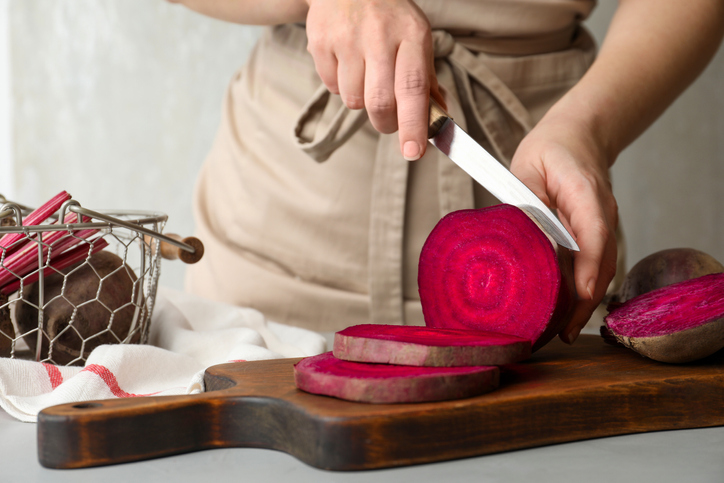
Ah, bieten. Those beautiful, earthy gems that land on our plates and promise a healthy glow. But let's be honest, sometimes they deliver more than just a glow. They deliver a spectacle.
You know what I'm talking about. That moment, a little while after you've enjoyed a delicious beet salad or a hearty bowl of borscht, when you visit the bathroom. And suddenly, you're greeted by a sight that could make a seasoned detective scratch their head.
Rode urine. Yep. That unmistakable, vibrant, almost shockingly red hue. It's like your insides decided to have their own little beet-themed party, and the evidence is now… visible.
Must Read
Now, some people might panic. They might immediately jump to the worst-case scenarios. Is this a sign of something serious? Should I call my doctor? Do I need to schedule an emergency endoscopy?
But I'm here to tell you, with the utmost conviction and a little wink, that often, the answer is much simpler. And dare I say, a little bit fun.
Because for me, the question isn't "Hoe lang rode urine na eten bieten?" (How long does red urine last after eating beets?). The real question is, "Isn't this just the most wonderfully bizarre natural phenomenon?"
It’s like a secret message from your body. A little "thank you" from the humble beet, saying, "Hey, I’m in here, and I’m making things colorful!"
Think about it. We eat all sorts of things. We ingest a rainbow of colors in our fruits and vegetables. Yet, it's the humble beet that often leaves such a striking, undeniable mark. It's a performer, a true show-stopper.
And the duration? Ah, that's the mystery, isn't it? Sometimes it’s fleeting, a quick cameo. Other times, it lingers, like an unexpected guest who’s decided to make themselves comfortable.
It can last a few hours. It can stretch into a whole day. And for some, if they're particularly fond of their beet-based meals, it might feel like their urine has taken on a permanent beet-tint.
 Rode bieten bewaren | Hoelang zijn rode bieten houdbaar?
It’s this beautiful uncertainty that I find so charming. You never quite know when the beet show will start or when the curtain will finally fall. It adds a touch of whimsy to an otherwise ordinary bodily function.
It's a conversation starter, too. Imagine being at a dinner party, and someone casually mentions their recent "beet incident." Instantly, you have a shared experience, a knowing nod amongst fellow beet enthusiasts.
"Oh, you too?" they might say, a smile spreading across their face. "Mine lasted until breakfast the next day!"
And then you can bond over the sheer, unadulterated oddity of it all. It’s a testament to the power of nature, to the subtle, yet dramatic, ways our bodies react to what we feed them.
My unpopular opinion? I kind of like it. I like the surprise. I like the visual confirmation that yes, those beets are doing something. They're not just passing through silently.
It's a reminder that our bodies are complex, fascinating machines. And sometimes, they express themselves in the most unexpected, and frankly, hilarious, ways.
So, the next time you see that vibrant red swirling down the drain, don't despair. Don't reach for your phone to Google dire medical conditions. Instead, take a moment. Smile.
 Rode urine na bieten? ontdek wat bieturie is en wat het betekent
Because you're experiencing a little bit of nature's magic. You're witnessing the humble beet's grand finale. And it's a colorful one, wouldn't you agree?
Some folks worry. They see the color and their minds race. But if you've had beets, and I mean real beets, the kind that stain your fingers a delightful shade of magenta, then this is just a natural consequence. It's called beeturia, a fancy word for beet-induced redness.
And the "hoe lang" part? It's as varied as a box of crayons. It depends on your body, how much you ate, and how efficiently your system processes those wonderful pigments, like betanin.
For some, it’s a brief appearance, like a shy celebrity at a party. They show up, make their presence known, and then quietly slip away. You might only catch a glimpse for a few hours.
For others, it's more of a committed relationship. The beet red decides it's found a new home and sticks around for a good long while. We're talking a full day, maybe even spilling over into the next.
It's like a temporary tattoo from the inside. A biological art installation. And who doesn't love a good surprise art installation in their bathroom?
I’ve heard tales, and I’ve experienced it myself. Sometimes you finish your beet salad at lunch, and by dinner, the show is over. Other times, you’ve had beets for dinner, and you wake up the next morning, a little wary, but then… there it is. The evidence.
It’s a playful mystery, a biological riddle. And the answer is always, "It depends!" And I think that's fantastic. It keeps life interesting. It prevents us from becoming too complacent about our bodily functions.
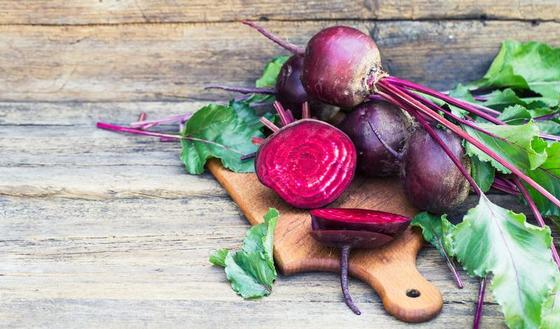 Waarom roze urine na het eten van rode biet? | gezondheid.be
Imagine if everything was predictable. If our pee always looked the same, day in and day out. How boring would that be? The beet provides a welcome splash of the unexpected.
It’s a reminder that food isn’t just fuel. It’s an adventure. It’s a story told by our bodies, in colors we can see. And beets are the storytellers who don't hold back.
So, embrace the beet red. Don't fear it. It's a sign that you're alive, that you're eating well, and that your body is having a bit of fun with the pigments. It's a badge of honor for the adventurous eater.
Think of it as a complimentary color analysis. "Today, your urine is screaming 'Beet Red'!"
And if anyone tells you it's weird, you can just tell them, "No, it's beet-iful!"
The duration is often related to how much of that pigment, betanin, your body absorbs and how quickly it gets processed. Some people are more efficient than others. It's like a little metabolic race.
And if you're a regular beet eater, you might find that your body gets quite accustomed to it. The surprise factor might diminish, but the color can still be a faithful companion for a while.
 Rode urine na bieten? ontdek wat bieturie is en wat het betekent
So, next time you’re enjoying those glorious purple spheres, just know that a little colorful surprise might be on its way. And instead of concern, let it bring a smile to your face. It’s just the beets, doing their thing.
The beauty of nature is often in its most unexpected manifestations. And a red bathroom? Well, that’s certainly unexpected and, dare I say, a little bit fun.
It's a low-stakes drama unfolding in the privacy of your own home. A natural performance art piece. And the audience? Just you, and perhaps a very surprised housemate or partner.
So, the answer to "Hoe lang rode urine na eten bieten?" is essentially: "Long enough to make you wonder, but not long enough to worry."
It's a temporary, colorful chapter in the ongoing story of your digestive journey. A chapter that's usually best enjoyed with a healthy dose of amusement.
And who knows, maybe it's nature's way of encouraging us to eat more vegetables. A little visual reward for our good dietary choices. A nudge towards the produce aisle.
So go ahead, enjoy your beets. And then, embrace the colorful aftermath. It's all part of the wonderful, wacky world of food and our bodies.
It’s a shared experience, a secret society of beet lovers who understand the vibrant truth. The truth that sometimes, after a good meal, our insides put on a show. A very red show.
And I, for one, wouldn't have it any other way. It's the little things, you know? The unexpected, the quirky, the, well, the beet-red things.
