Hoe Krijg Je Kalk Van Glas

Ah, those dreaded white splotches! They appear everywhere, don't they? On your shower doors, your favorite drinking glasses, even that fancy vase your Aunt Carol gave you. It'...

Ah, those dreaded white splotches! They appear everywhere, don't they? On your shower doors, your favorite drinking glasses, even that fancy vase your Aunt Carol gave you. It's like the universe is playing a cruel joke, leaving little chalky reminders of... well, we're not entirely sure what, but they're definitely not pretty.
We've all been there. You scrub, you polish, you try every fancy cleaner under the sun. And yet, those stubborn marks cling on like that one catchy song you can't get out of your head. It's enough to make you want to just throw the whole lot out and buy new. But hold on! Before you resort to such drastic measures, let's have a little chat about how to get kalk (that's Dutch for limescale, by the way) off your glass.
Now, I have a confession to make. I'm not a scientist. I'm not a professional cleaner. I'm just a regular person who's had a long and, shall we say, passionate relationship with limescale. And over the years, I've discovered a few… unconventional truths. Things that maybe the big cleaning companies don't want you to know. Shhh, it's our little secret.
Must Read
Let's start with the basics. Why does this happen? Well, it’s the minerals in our tap water. Hard water, they call it. Fancy term for water that’s basically a spa treatment for your pipes, but a nightmare for your glassware. Every time the water dries, it leaves behind these little mineral deposits. Think of it as nature's way of saying, "I was here!"
So, what do we do? The internet will tell you about vinegar. And yes, vinegar is good. It's acidic. It can work. But let's be honest, who wants their shower smelling like a giant salad dressing? Not me. And sometimes, vinegar just isn't strong enough for the really stubborn stuff. It’s like bringing a butter knife to a battle.
Then there's lemon juice. Also acidic. Also smells nicer than vinegar. But again, for those truly fossilized limescale deposits, it can feel like you're trying to polish a diamond with a feather. You’ll be squeezing lemons until your hands are sore, and the glass will still look… well, less lemony, but still chalky.
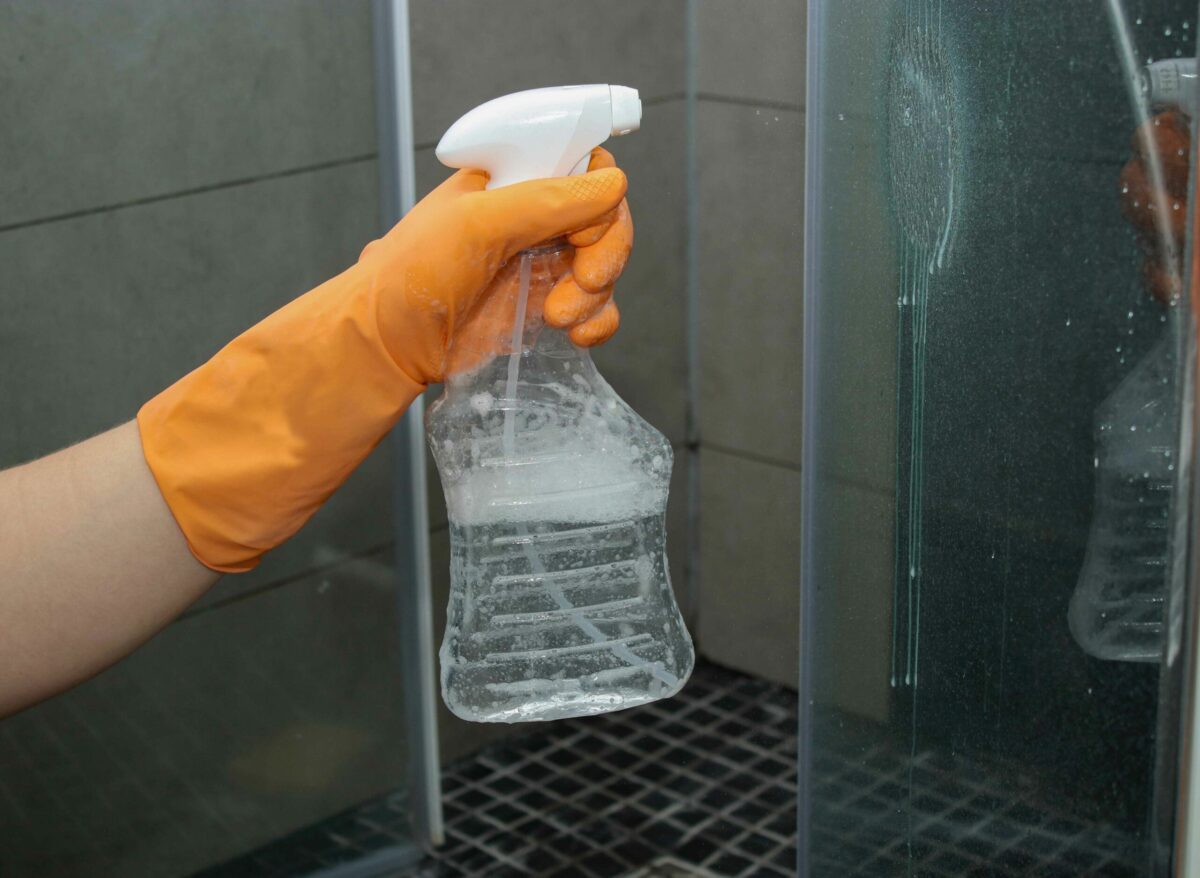 Kalk entfernen: Effiziente Säuberung von Glas
And let's not forget the commercial cleaners. Some of them are incredibly potent. They'll blast away limescale with the force of a tiny nuclear explosion. But then you have to wonder, what exactly are you breathing in? And is it safe to use on something you're going to drink from? My inner alarm bells start ringing a little too loudly for my comfort.
So, what's my "unpopular" opinion? What's the secret weapon in my arsenal against this glassy nemesis? It’s something so simple, so readily available, you might be tempted to laugh. But trust me, it's a game-changer. It’s… baking soda.
Yes, you heard me right. That stuff you use to make cookies rise? That's the magic ingredient. Now, some people might say, "Oh, baking soda is mild. It's for gentle scrubbing." And they're partly right. But here's the trick: it’s not just about the scrubbing power. It's about creating a paste.
You mix a good amount of baking soda with a little bit of water. Just enough to form a thick paste, like toothpaste for your glass. And then, my friends, you apply it. Generously. Slather it on like you're frosting a cake. Don't be shy!
 Kalk entfernen: Effiziente Säuberung von Glas
Let it sit. This is crucial. The longer you let this baking soda paste work its magic, the more it will break down that stubborn kalk. Think of it as a tiny, gentle chemical reaction happening right there on your glass. It’s like a spa day for your windows, but way more effective.
How long? Well, for light stains, maybe 15-30 minutes. For the really tough, old, crusty stuff? I’m talking hours. Yes, hours. I've left it on overnight sometimes. Don't tell the cleaning experts. They might have a collective heart attack.
After it's had its beauty sleep, you take a soft cloth or a non-scratch sponge and gently rub. You'll be amazed. The baking soda paste, combined with the gentle scrubbing, will lift away the limescale like it was never there. It’s not an aggressive assault; it’s a gentle persuasion. And persuasion, as we all know, is often more effective than brute force.
Now, I know what you're thinking. "But what if it doesn't work completely?" Sometimes, the kalk is really stubborn. It's been there so long it considers itself part of the glass family. In those cases, you might need a second application. Or, you can combine forces.
 Kalk entfernen: Effiziente Säuberung von Glas
Here's where things get a little more adventurous, but still very doable. You can take your baking soda paste and, then, introduce a little bit of that dreaded vinegar. Just a splash. Watch it fizz! It’s like a mini volcano erupting on your glass. That fizzing action can help to loosen things up even further. But remember, moderation is key here. We're not aiming for a science experiment gone wild.
Another trick up my sleeve? A good old-fashioned microfiber cloth. Once you've applied your baking soda paste (and maybe had a little fizzy fun), you use this cloth to gently work the paste into the limescale. The microfiber is excellent at trapping dirt and grime, and it’s soft enough not to scratch your precious glass.
And after you've scrubbed and rinsed? The final step is to dry it thoroughly. Use a clean, dry microfiber cloth. This prevents new water spots from forming, which is the whole reason we're doing this in the first place, right? It’s a vicious cycle, but we're breaking it!
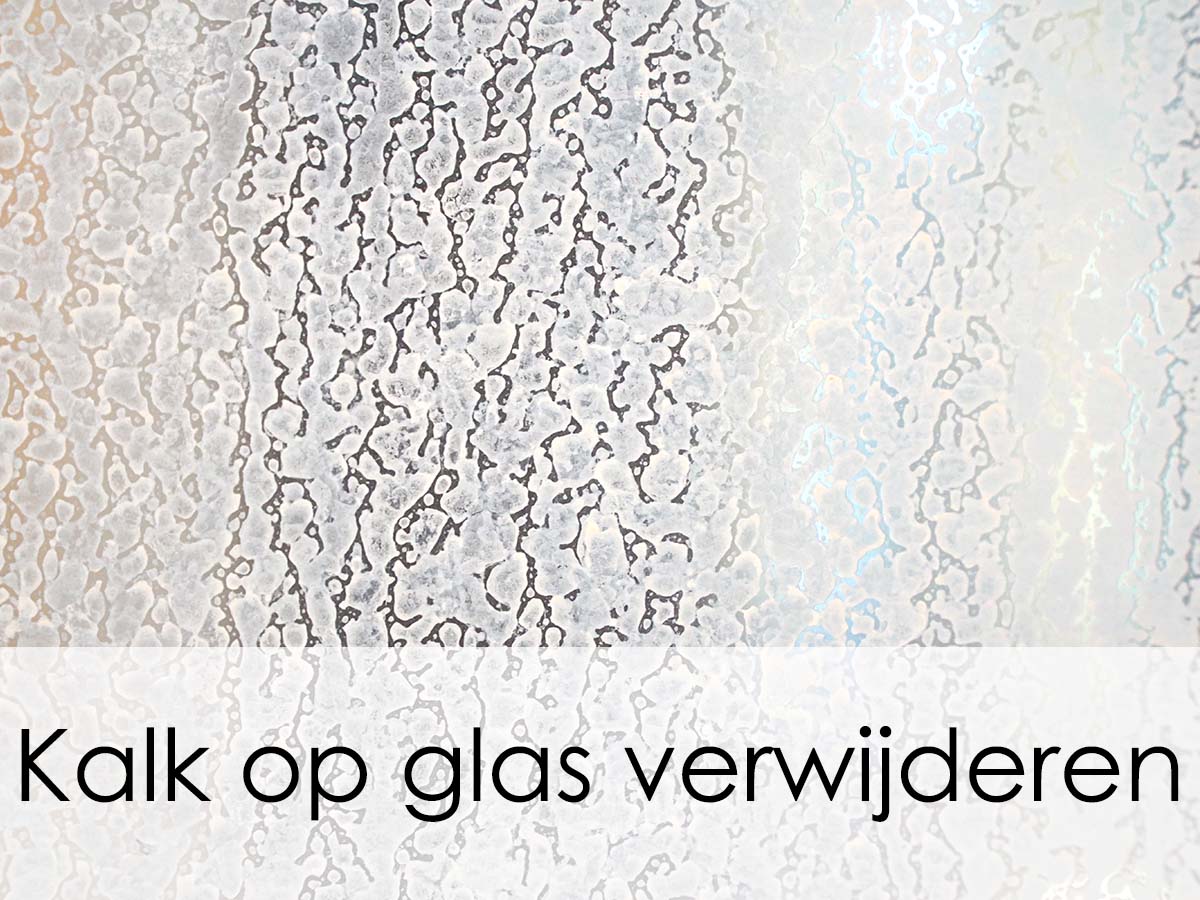
Now, let's talk about that shower door. Those panels can get absolutely caked in limescale. It looks like a frosted window into a world of despair. For those, I'll often use a slightly wetter baking soda paste, apply it with a sponge, and let it sit for a good few hours. Then, I'll scrub with a non-scratch scourer, focusing on the worst areas. It takes a bit of elbow grease, I won't lie. But the results are so satisfying.
 Verbouwen Kosten Overzicht | Verbouwing huis Top 3!
And those drinking glasses? The ones that come out of the dishwasher looking like they've been through a sandstorm? For those, a quick soak in a basin of warm water with a generous amount of baking soda, followed by a gentle wipe, can do wonders. It's a gentle cleanse, a little pick-me-up for your glassware.
My ultimate, perhaps most "outrageous" tip? Sometimes, especially for really bad cases, I’ll even use a little bit of cream of tartar. This is another common kitchen ingredient. You mix it with water to form a paste, just like the baking soda. It's also acidic and can be very effective. But be a little more careful with this one, as it can be a bit more potent. Always test on a small, inconspicuous area first.
But honestly, the baking soda paste is my go-to. It's cheap, it's safe, and it works. It’s the superhero of the kitchen cabinet, fighting the good fight against the forces of hard water. It doesn’t boast about its powers; it just gets the job done.
So, the next time you find yourself staring at a glass covered in that chalky white residue, don't despair. Don't reach for the industrial-strength chemicals just yet. Just go to your pantry, grab the baking soda, mix up a paste, and let the magic happen. You might just surprise yourself with how easy and effective it can be. And who knows, you might even start to enjoy the process. A little bit, anyway. Now go forth and conquer that kalk! Your glasses will thank you. And your lungs will too.
