Wanneer Laat Een Teek Los

Ah, the humble tick. A tiny creature, often unwelcome, that likes to hitch a ride, especially when the sun starts to shine and we're all eager to be outdoors. Whether you're a...

Ah, the humble tick. A tiny creature, often unwelcome, that likes to hitch a ride, especially when the sun starts to shine and we're all eager to be outdoors. Whether you're a seasoned camper, a weekend warrior in the park, or just enjoying your garden, the question inevitably pops up: 'Wanneer laat een teek los?' Let's dive into the world of these little bloodsuckers with a laid-back vibe, a sprinkle of humor, and some handy-dandy tips, of course.
Imagine this: you've had a glorious day exploring the Dutch countryside, maybe a stroll through the Veluwe or a bike ride along the coast. You're kicking back with a well-deserved 'kopje koffie' and then, you spot it. A little intruder, firmly attached. Panic? Nah, not today. We're going to tackle this like the seasoned nature lover you are.
The Great Tick Uncoupling: A Matter of Time and Biology
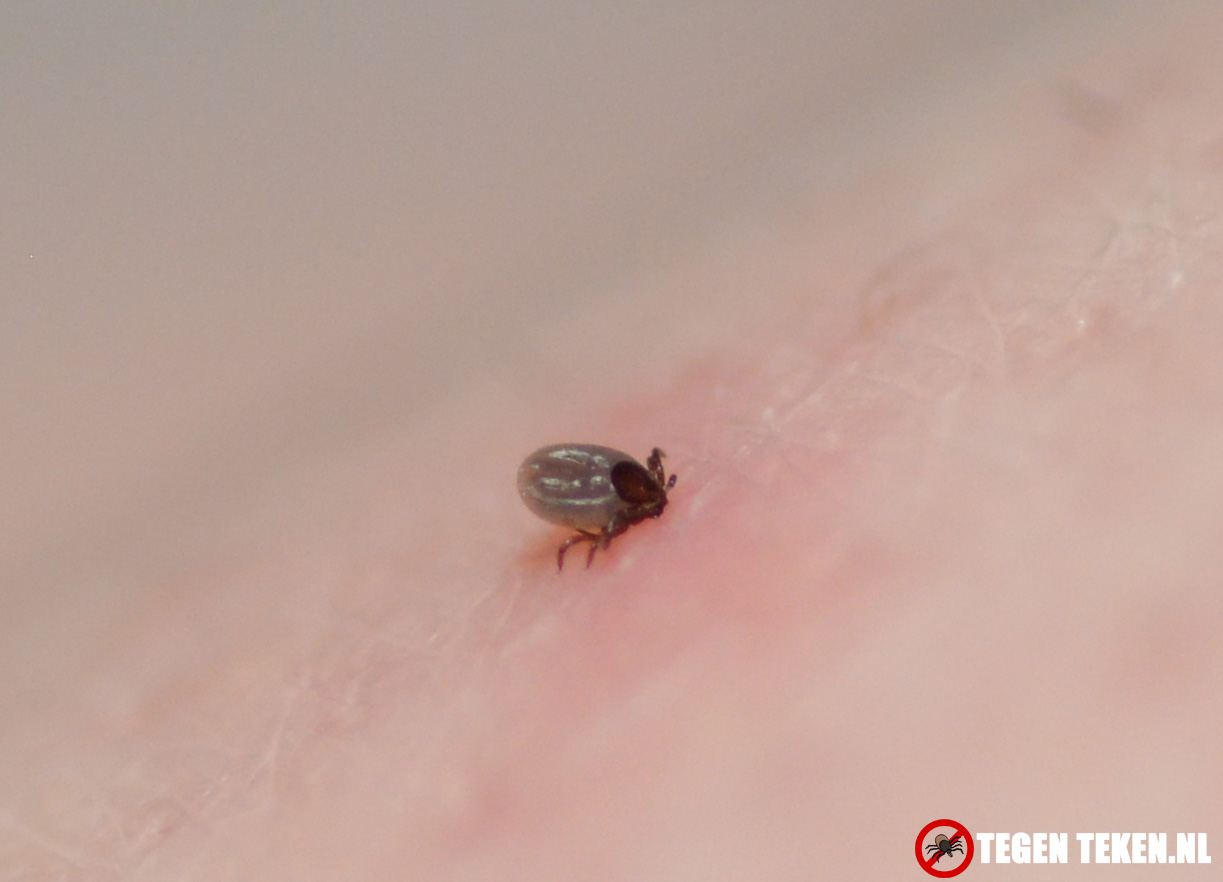
So, the burning question: wanneer laat een teek los? The short answer is: when it's had its fill. A tick is basically a miniature, persistent dinner guest. It finds a suitable spot, burrows its mouthparts into your skin, and starts to feed on your blood. This process isn't instantaneous. It takes time, and that time depends on several factors, including the tick's life stage and the species.
Must Read
Think of it like a fine wine. It needs time to mature, to develop its full flavor. For a tick, this 'maturing' means a good, long blood meal. This can range from a few days to, in some cases, a week or even longer. Yes, you read that right. These little guys are in it for the long haul. They're not rushing the process; they're savoring the moment.
The Tick's Life Cycle: A Tiny Drama Unfolding
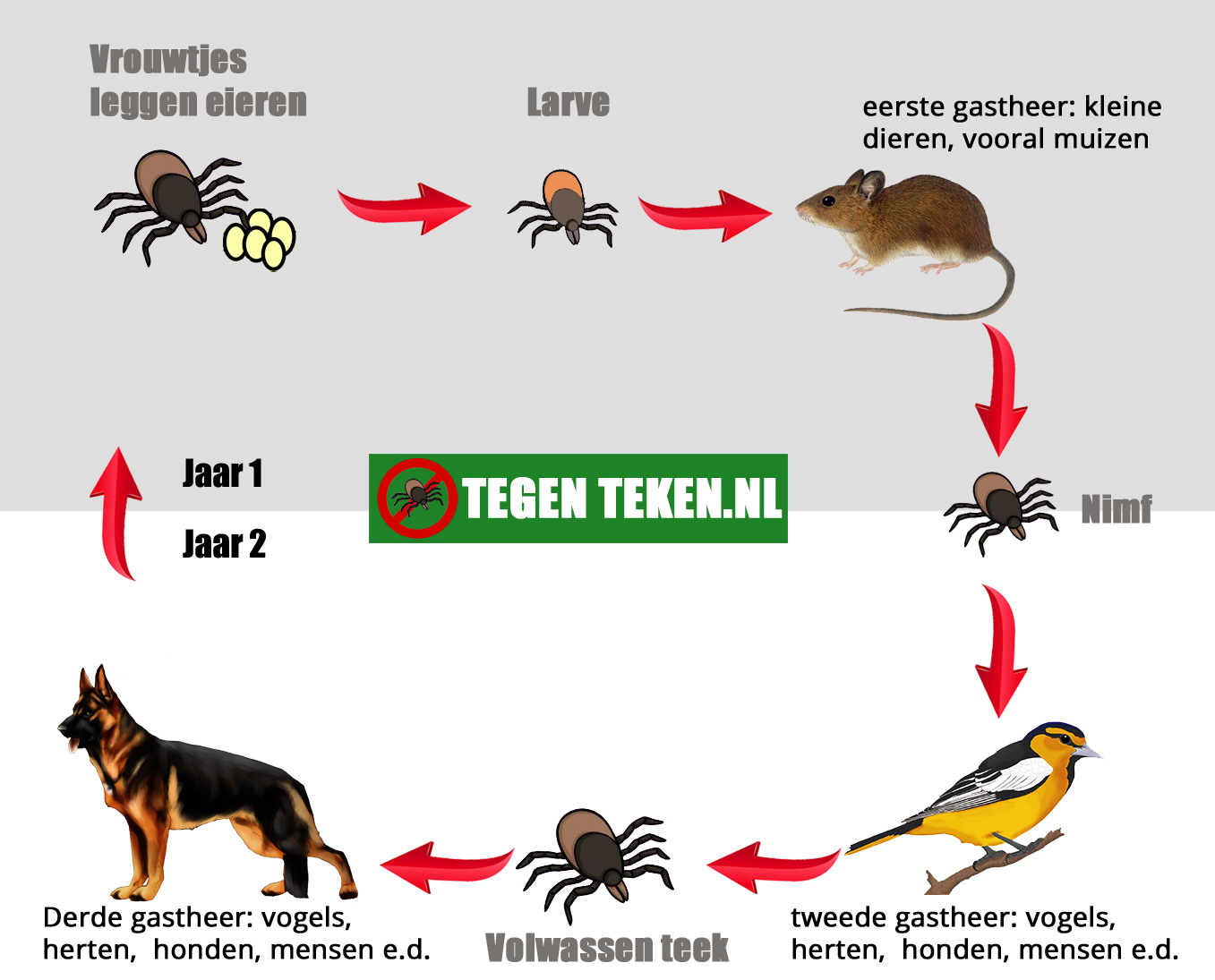
To understand when they let go, it helps to know a bit about their life cycle. Ticks go through several stages: larva, nymph, and adult. Each stage requires a blood meal to develop into the next. The longer a tick feeds, the more engorged it becomes, and eventually, it will detach itself, satisfied and ready for its next adventure (or phase).
A nymph, for instance, might feed for about 3 to 5 days. An adult tick, especially a female looking to lay eggs, might stay attached for up to a week, sometimes even longer, depending on her hormonal state and how undisturbed she is. So, while they are attached, they are actively working – it’s their job, their very existence!
The 'How To' of Tick Removal: Gentle Does It
Now that we know they don't just poof and disappear, let's talk about the crucial part: removal. Because while biology dictates they'll eventually let go, we don't want to give them the chance to transmit any unwanted souvenirs, like Lyme disease. Prevention is key, but if a tick has already taken up residence, prompt and correct removal is paramount.
 Wat is een teek?
Forget all those old wives' tales about burning them with a cigarette or smearing them with petroleum jelly. These methods are not only ineffective but can actually be counterproductive. They stress the tick, causing it to regurgitate its stomach contents (including potential pathogens) into your bloodstream. Not exactly the ideal outcome, right?
Your Tick-Removal Toolkit: Simple and Effective
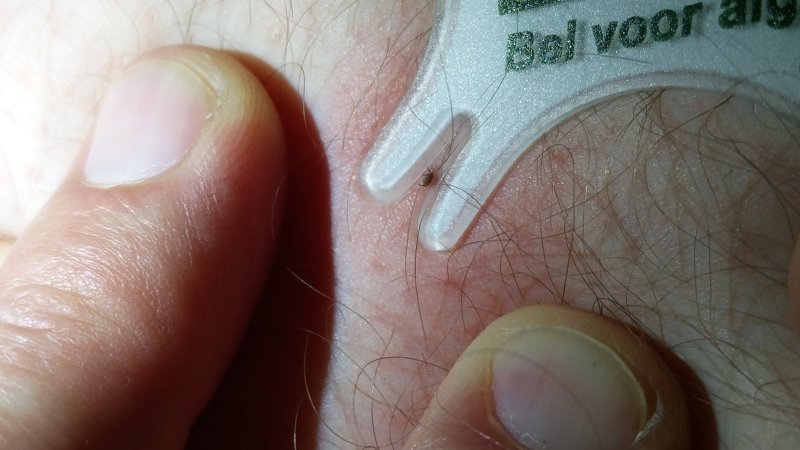
What you do need is a pair of fine-tipped tweezers or a special tick-removal tool. These can be found at most pharmacies. The key is to grasp the tick as close to your skin as possible, at the head. We're aiming for the business end, not the round, swollen body.
Once you have a firm grip, pull gently and steadily upwards. No twisting, no jerking. Think of it as a slow, deliberate extraction. Imagine you're trying to remove a tiny, stubborn splinter. The goal is to get the entire tick, including its mouthparts, out in one go. It’s a moment of quiet focus, a small act of self-care in nature's embrace.
And what if the mouthparts break off? Don't panic. If small fragments remain in the skin, they will usually be expelled by the body over time. You can try to gently remove them with clean tweezers, but avoid digging. The most important thing is to have removed the main body of the tick.
 Last van teken? Bestrijden met aaltjes, 100% biologisch
Aftermath: Cleaning and Observing
Once the tick is out, it's essential to clean the bite area thoroughly with soap and water or an antiseptic. Then, wash your hands. It's also a good idea to note down the date and location of the bite. This information can be helpful if you develop any symptoms later on.
Keep an eye on the bite area for the next few weeks. Redness, swelling, or a rash (especially the characteristic 'bullseye' rash associated with Lyme disease) should be reported to your doctor immediately. Early detection and treatment are crucial for managing tick-borne illnesses.
The Tick's Perspective: A Mini-Adventure
Let's take a moment to appreciate the tick's perspective, if only for a fleeting thought. It's on a mission, a biological imperative. It's navigating a giant, warm landscape, seeking sustenance. From its minuscule point of view, you are a continent, a walking buffet. It’s a survival story, a tiny drama playing out in the vast expanse of a summer afternoon.
Think of it like a miniature Indiana Jones, braving the elements, seeking the ultimate prize. Except, of course, we're not entirely thrilled to be part of its quest. Still, it’s a reminder of the intricate web of life, even at its most microscopic and, dare we say, annoying.
Cultural Snippets: Ticks in Lore and Leisure
While we tend to view ticks with a mixture of caution and dread, they do pop up in various cultural contexts. In folklore, they’re sometimes seen as symbols of persistence, though rarely in a positive light! More practically, tick populations are a growing concern in many parts of the world, influencing outdoor recreation guidelines and public health campaigns.
 Over teken – Tegen Teken
It's interesting how something so small can have such a significant impact on how we interact with our environment. We might enjoy a picnic in the park, but a tiny tick reminds us to be mindful, to be prepared. It's a little lesson in respecting nature's boundaries, even when it comes with unwanted hitchhikers.
Preventing the Hitchhike: Staying One Step Ahead
The best approach, of course, is to avoid becoming a tick's chosen destination. When you're heading out into tick territory – think long grass, woodlands, and bushy areas – a few simple precautions can make a world of difference.
Dress smart. Wear long sleeves and long trousers, and tuck your trousers into your socks. This creates a barrier that makes it harder for ticks to reach your skin. Light-colored clothing is also a good idea, as it makes it easier to spot any crawling critters.
Use repellent. Insect repellents containing DEET or picaridin are effective against ticks. Follow the product instructions carefully.
 Over teken – Tegen Teken
Check yourself and your pets. After spending time outdoors, conduct a thorough tick check. Pay attention to warm, hidden areas like your scalp, behind your ears, armpits, groin, and knees. Don't forget to check your pets too; they can bring ticks into the house.
The 'Tick Dance': A Metaphor for Life?
This whole tick encounter, from spotting the hitchhiker to its eventual (hopefully assisted) departure, can almost feel like a little metaphor for life. Sometimes, unwelcome guests or situations pop up, uninvited. We have to deal with them, assess the situation, and take action. It requires a calm approach, the right tools, and a little bit of patience.
And just like with a tick, the key is not to let them linger. Address the issue, remove the 'irritant' as efficiently as possible, clean up, and move on. The experience, while perhaps a little unsettling, ultimately strengthens your awareness and preparedness for future encounters. You learn, you adapt, and you continue to enjoy the outdoors, a little wiser and a little more vigilant.
The Final Word: Embrace the Outdoors, Mindfully
So, the next time you're out enjoying the beauty of the Netherlands, whether it's a brisk walk in the woods or a lazy afternoon in the park, remember the tick. It's a small part of the larger ecosystem. And while we might not be thrilled by their presence, understanding wanneer een teek loslaat and knowing how to handle a tick encounter empowers you to enjoy nature with confidence and peace of mind.
It’s about striking a balance: embracing the joys of the outdoors while being mindful of the little challenges nature presents. So go ahead, breathe in that fresh air, soak up the sun, and if you do happen to find a tick, you'll know exactly what to do. Stay safe, stay happy, and keep exploring!
