Als Je Het Altijd Koud Hebt

Is it just us, or is the temperature perpetually set to 'arctic tundra' in your personal bubble? You know the drill: your friends are strolling around in t-shirts, debating th...

Is it just us, or is the temperature perpetually set to 'arctic tundra' in your personal bubble? You know the drill: your friends are strolling around in t-shirts, debating the merits of iced coffee, while you’re huddled under three blankets, a scarf, and possibly a strategically placed radiator. If the phrase "Brrr, is het hier koud?" (Brrr, is it cold in here?) is practically your catchphrase, then this article is for you. We’re diving deep into the world of constant chill, exploring why you might always feel cold, and more importantly, how to turn up your internal thermostat without resorting to living inside a pizza oven.
Let’s be honest, being the ‘cold one’ in the group can sometimes feel like a superpower, albeit a slightly inconvenient one. You’re always the first to grab a jumper, the one who secretly envies people who can swim in the sea in April, and the undisputed champion of cosy nights in. But beyond the anecdotal, there are often legitimate reasons why your body might be sending out those chilly SOS signals. It’s not just about thin blood, contrary to popular belief (though we’ll get to that too!).
The Usual Suspects: Why Are You Always Freezing?
First things first, let’s demystify the shivers. Our body temperature is a complex symphony orchestrated by our metabolism, hormones, and even what we eat and drink. When something’s a little off-key, it can manifest as feeling colder than everyone else.
Must Read
One of the most common culprits is a sluggish metabolism. Think of your metabolism as your body's internal engine, burning calories to produce heat. If that engine is running a bit slow, it won't generate as much heat, leaving you feeling like you’re permanently parked in the freezer aisle. Factors like age, a sedentary lifestyle, and even certain medical conditions can contribute to a slower metabolism.
Then there are the hormones. Ah, the mischievous little messengers! Your thyroid gland, for instance, plays a crucial role in regulating your metabolism. If your thyroid isn't producing enough hormones (hypothyroidism), your metabolism can slow down significantly, leading to that ever-present chill. It’s like the dimmer switch for your body’s heat production is stuck on low.
Iron deficiency, or anemia, is another major player. Iron is essential for carrying oxygen in your blood, and red blood cells are your body’s tiny delivery trucks for oxygen. When you don't have enough iron, you have fewer red blood cells, meaning less oxygen is transported to your tissues. This can make you feel tired, weak, and, you guessed it, cold. It’s like the oxygen supply line to your extremities is a bit parched.
And what about that old chestnut, poor circulation? If your blood isn't flowing as freely as it should be, your extremities – think hands and feet – won't get enough warm blood. This can be due to various reasons, from tight clothing and prolonged sitting to more serious underlying conditions like Raynaud's phenomenon, where blood vessels in the fingers and toes constrict in response to cold or stress, turning them white or blue. It’s a bit like your body’s central heating system is struggling to reach the furthest radiators.
 Waarom je het altijd koud hebt, óók wanneer het lekker weer is
Don’t forget the impact of body fat. While we’re not advocating for everyone to be a walking duvet, a certain amount of subcutaneous fat acts as insulation. So, individuals with a lower body fat percentage might naturally feel the cold more acutely.
Finally, and this might sound a bit obvious, but dehydration can also make you feel colder. Water plays a role in regulating body temperature, and when you’re not drinking enough, your body struggles to maintain its optimal temperature.
Beyond the Basics: Less Common, But Still Possible
While the above cover the most frequent reasons, there are other, perhaps less common, factors to consider if you’re still perpetually shivering.
Vitamin B12 deficiency is another possibility. This vitamin is vital for healthy red blood cell formation and nerve function. A lack of it can lead to anemia and neurological symptoms, which can include feeling cold. Think of it as a crucial ingredient missing from the red blood cell factory’s recipe book.
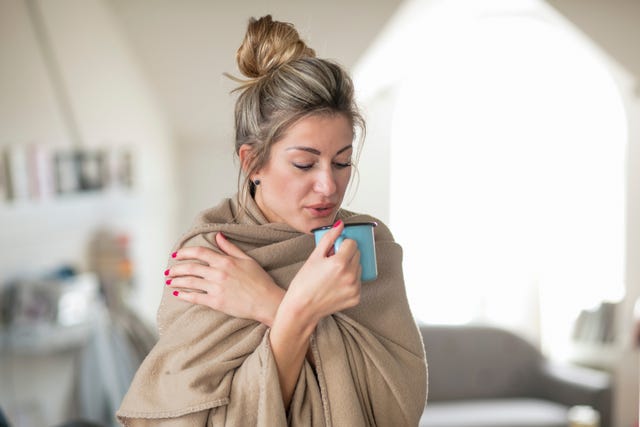 7 redenen waarom je het ál-tijd koud hebt
Low blood pressure (hypotension) can also contribute. When your blood pressure is low, it means your blood isn't being pumped around your body with much force, potentially leading to reduced circulation and that cold feeling, especially in your hands and feet.
And then there are the medications. Certain drugs, such as beta-blockers used for high blood pressure or heart conditions, can affect circulation and lead to feelings of coldness.
Turning Up Your Internal Radiator: Practical Tips
Okay, enough with the diagnostics! Let's get to the good stuff: how to actually feel warmer. Think of these as your personal comfort upgrades.
Layer Up Like a Pro (It’s Not Just for Skiing!)
This is the golden rule, the mantra of the perpetually cold. Forget the one-big-jumper approach. Think in layers. Start with a base layer, like a thin thermal top, that wicks away moisture. Then add a mid-layer, such as a fleece or a wool sweater, for insulation. Finally, an outer layer to protect you from the elements. This strategy allows you to trap warm air close to your body and adjust your outfit as the temperature fluctuates. It's like building your own personal microclimate. Think of it as your everyday armour against the chill. And honestly, who doesn't love an excuse to embrace the cosy aesthetic? Think chunky knits, soft scarves, and stylish beanies. It's a fashion opportunity, darling!
 11 dingen die je herkent als je het altijd koud hebt
Embrace the Power of Food and Drink
What you consume has a direct impact on your internal temperature. Spicy foods, like chilli and ginger, can temporarily boost your metabolism and generate heat. Think of it as a little internal fireworks display. Warm drinks are your best friend. Herbal teas, hot chocolate, and even a simple cup of hot water can provide immediate warmth and hydration. Avoid excessive caffeine and alcohol, as they can actually dehydrate you and interfere with your body's ability to regulate temperature in the long run. And here’s a fun fact: historically, mulled wine wasn’t just a festive drink; it was a way to stay warm during harsh winters!
Move It, Move It!
Exercise is a fantastic way to get your blood flowing and boost your metabolism. Even a brisk walk around the block can make a significant difference. If you’re stuck at your desk, try simple in-chair exercises like leg raises, ankle circles, and shoulder rolls to keep your circulation going. Think of it as sending little traffic updates to your blood vessels. A quick ten-minute dance party to your favourite song? Why not! It’s effective and fun. Remember, consistent movement is key, not necessarily marathon running.
Invest in Cozy Comforts
Your home environment plays a huge role. Invest in good quality blankets, throws, and cosy socks. Think electric blankets or hot water bottles for those extra-chilly evenings – they're like personal mini-sunshines. Consider thermal curtains for your windows to keep the heat in and the cold out. And don't underestimate the power of a warm bath or shower. It's not just about cleanliness; it's a full-body warmth infusion.
Listen to Your Body (and Your Doctor!)
If you’ve tried these tips and you’re still consistently feeling too cold, it’s time to consult a healthcare professional. Persistent coldness can be a symptom of an underlying medical condition that needs to be addressed. Don't dismiss it! It's always better to be safe than sorry, and a doctor can help identify the root cause and recommend the appropriate treatment. They might suggest blood tests to check for iron deficiency, thyroid issues, or vitamin deficiencies.
 6 x Tips voor wie het altijd koud heeft | GIRLS WHO MAGAZINE
Mindfulness and Stress Management
Believe it or not, stress can impact your body's temperature regulation. When you're stressed, your body prioritizes functions crucial for fight-or-flight, which can sometimes mean diverting blood away from extremities. Practicing mindfulness, meditation, or deep breathing exercises can help manage stress and, in turn, potentially improve circulation and warmth. It’s like telling your body to calm down and focus on keeping you cosy.
Accessorise Wisely
Beyond the fashion aspect, some accessories are functional marvels for the cold-sensitive. Fingerless gloves can keep your hands warm while still allowing you to use your phone or keyboard. Thermal socks are non-negotiable for many. And a good, warm hat is essential – you lose a significant amount of heat through your head. Think of these as your personal climate control gadgets.
A Touch of Culture: The Art of Hygge and Beyond
In many cultures, embracing warmth and coziness is an art form. Think of the Danish concept of hygge, which is all about creating a warm, inviting atmosphere and enjoying the good things in life with good people. It’s about soft lighting, comfortable surroundings, warm drinks, and good company. It’s a philosophy that perfectly complements the need for warmth. Similarly, many cultures have traditions centered around communal warmth, like sharing hot meals or gathering around fires. These practices aren't just about surviving the cold; they’re about finding joy and connection within it.
Consider the enduring popularity of traditional wool garments in colder climates. These aren’t just fashion choices; they’re practical, time-tested solutions for staying warm. The sheer ingenuity of creating warmth from natural materials speaks volumes about human adaptability. It’s a reminder that sometimes, the simplest solutions are the most effective.
A Final Thought on Embracing the Chill
So, you’re the one who’s always a little bit colder. It might be a mild inconvenience, a lifelong trait, or a signal from your body that needs attention. But in a world that often rushes towards extremes, there’s a certain quiet wisdom in being attuned to the subtler shifts in temperature. It encourages us to be more mindful of our bodies, to seek out comfort, and to appreciate the simple pleasures of warmth, whether it’s a steaming mug of tea, a soft blanket, or the gentle glow of a candle. Embracing your inner chill doesn't mean resigning yourself to a life of perpetual shivering; it means understanding your body, making conscious choices, and perhaps, just perhaps, becoming a connoisseur of all things cosy. After all, who better to appreciate a warm hug or a perfectly brewed hot chocolate than someone who knows what it’s like to truly feel the cold?
